
Small Steps for a More Sovereign Life in 2026
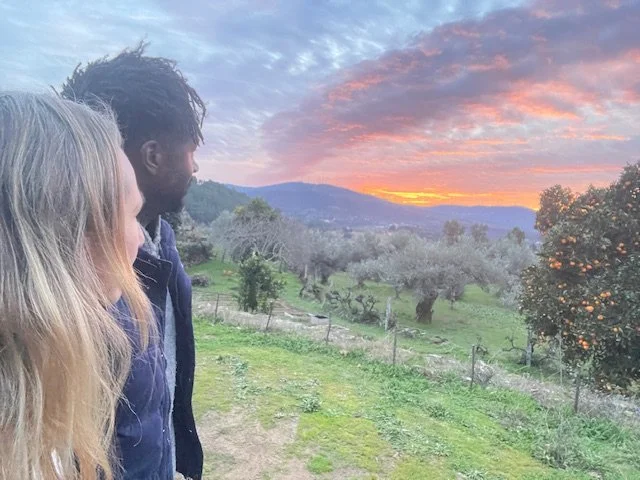
If 2026 is the year you want to take steps to reconnect with nature, become a little more self-sufficient, and slowly regain aspects of your own sovereignty — making you less reliant on external sources — then this is for you.
2026 doesn’t need to be the year you do everything. But it can be the year you do one thing well — with your hands, your time, and the land around you.
We know that relocating to another country and embracing off-grid living is a pretty a drastic leap. But for over a decade and a half, we had been making small life adjustments that has helped to gradually pull us away from the “system.” From growing our own vegetables, learning to forage, and exploring herbalism, to buying more food from local markets and butchers instead of chain stores—these small changes add up. They not only impact your own life but, as more people make similar choices, they also influence the system as a whole.
Personal sovereignty doesn’t arrive all at once. It arrives quietly, through small, repeated acts: growing a single plant, recognising an edible or medicinal wild plant in the hedgerows, learning a new skill to make you more self-sufficient, or simply cooking from what’s already here.
Here, we’ve put together some gentle, doable acts to carry through 2026 to help you regain aspects of your own sovereignty.
Grow Your Own (Even If It’s Minimal)
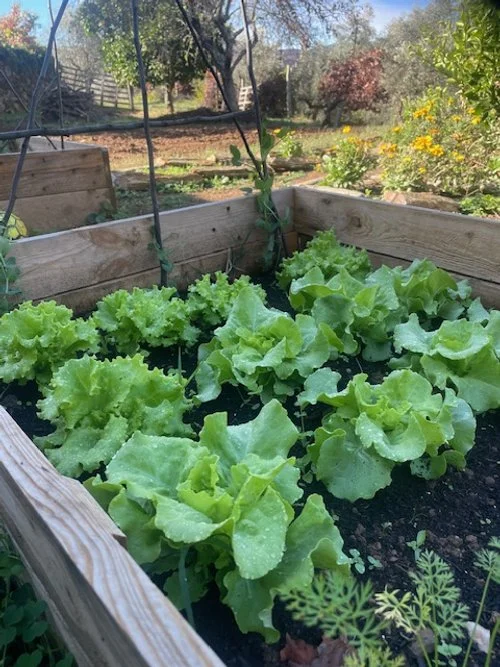
We know not everyone has the space or time to create an elaborate veggie garden. But growing just a single vegetable that you eat often — whether in a garden or even a window box — can mean never having to buy that item again.
Or maybe you have a favourite medicinal or culinary herb. Why not plant it in a window box so you don’t need to buy it again in 2026?
If you’ve never tried growing your own before, why not make it a goal for this year? Even just one thing.
Trust us — you’ll be amazed at how much better food tastes when it’s home grown.
Learn One Wild Plant Properly
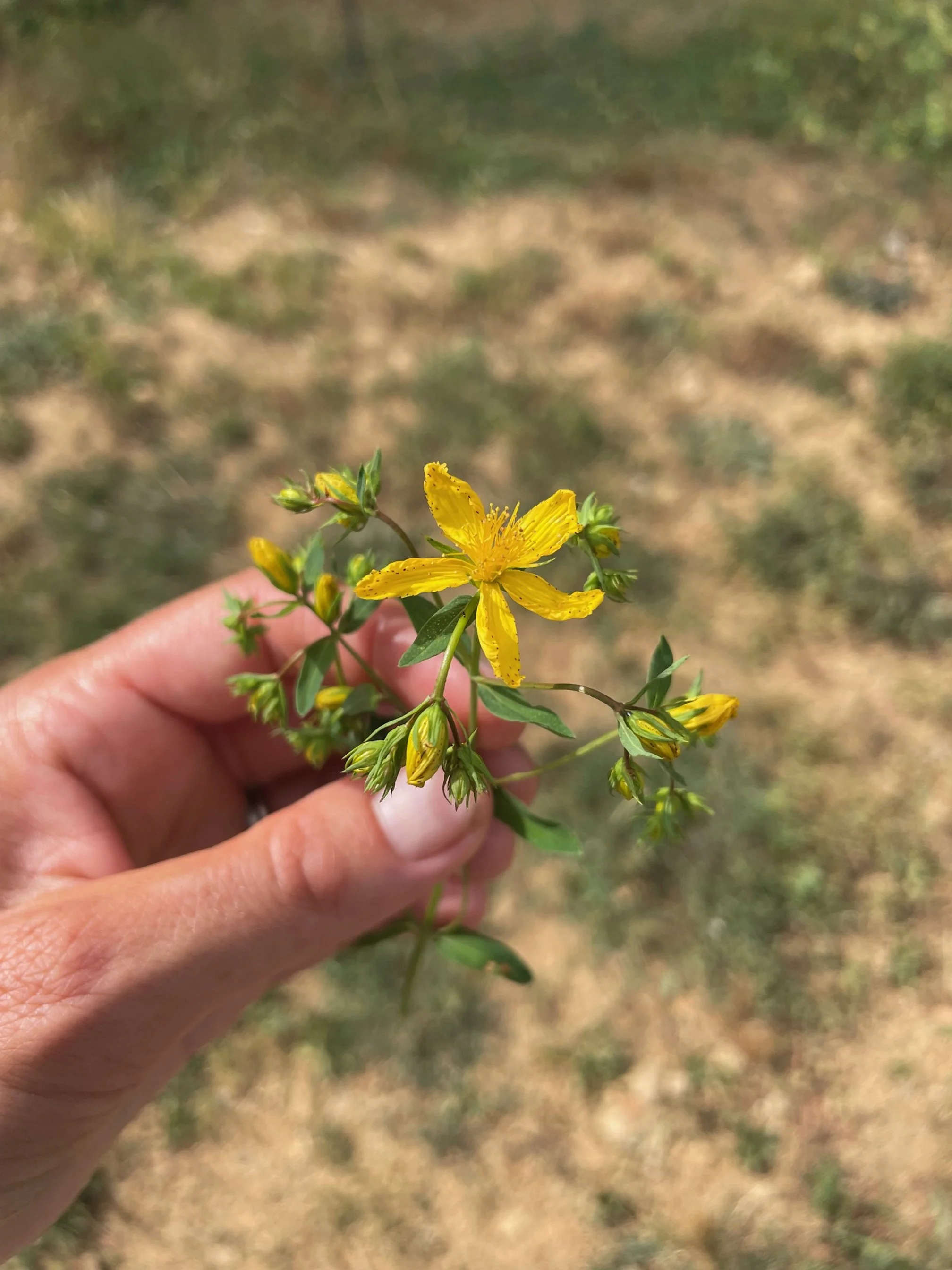
Pick one wild plant or herb and get to know it deeply.
Not just how it looks in spring, but where it grows, when it returns, how it’s been used by those before us, how it can nourish you, and what medicinal benefits it may offer.
Learn how to harvest it respectfully. Eat it, dry it, make tea from it. Knowing even one wild food changes the way you walk through the world. You’ll start spotting it every time you head out for a walk in the countryside.
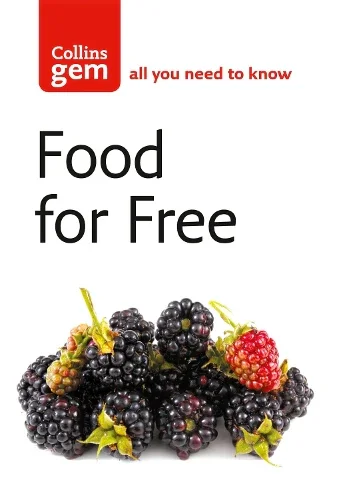
Here are two books we love to help get you started if you’re new to foraging…
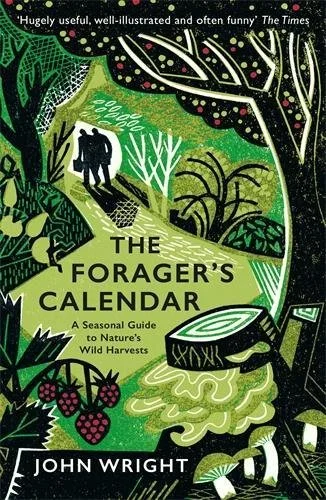
We also love this YouTube channel, which offers a month-by-month breakdown of forageable plants and herbs in the UK, including details on the benefits of consuming them and how to identify them.
Let the Season Choose Your Meals
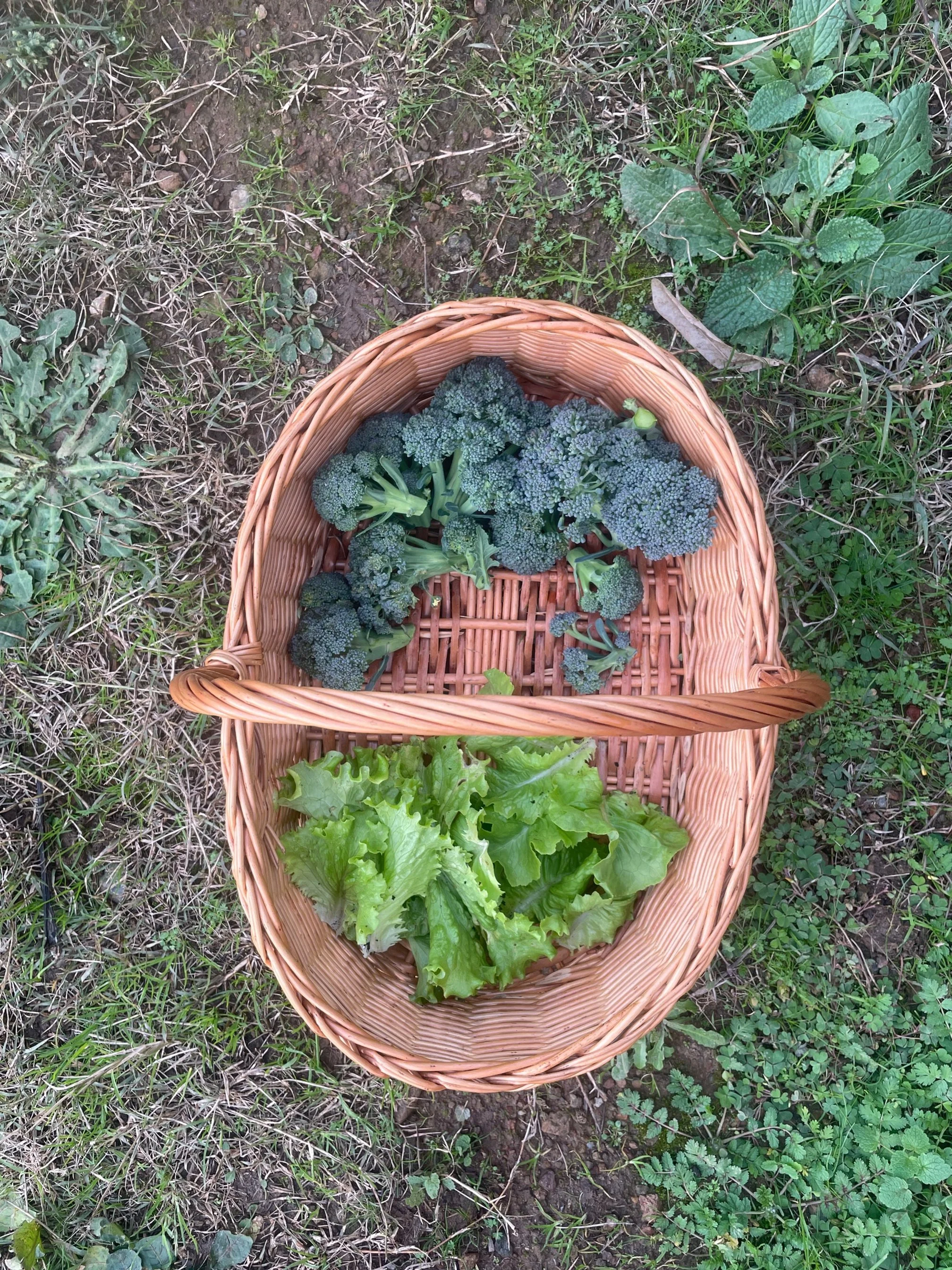
Why not try, for one month this year (or even just a week), to eat what’s seasonal and available where you live?
You could replace your supermarket visit with a local farm shop or farmers’ market during that time.
Notice how your body responds. Eating seasonally is less about restriction and more about alignment — aligning your diet with environmental cycles that influence human physiology. Seasonal foods are harvested at peak ripeness, offering higher nutrient density and bioavailability.
In addition, changes in daylight, temperature, and activity levels affect metabolism, circadian rhythms, and hormonal regulation. Consuming foods that naturally grow in those conditions can better support these shifts.
Replace One Convenience With a Self-Sufficient Skill
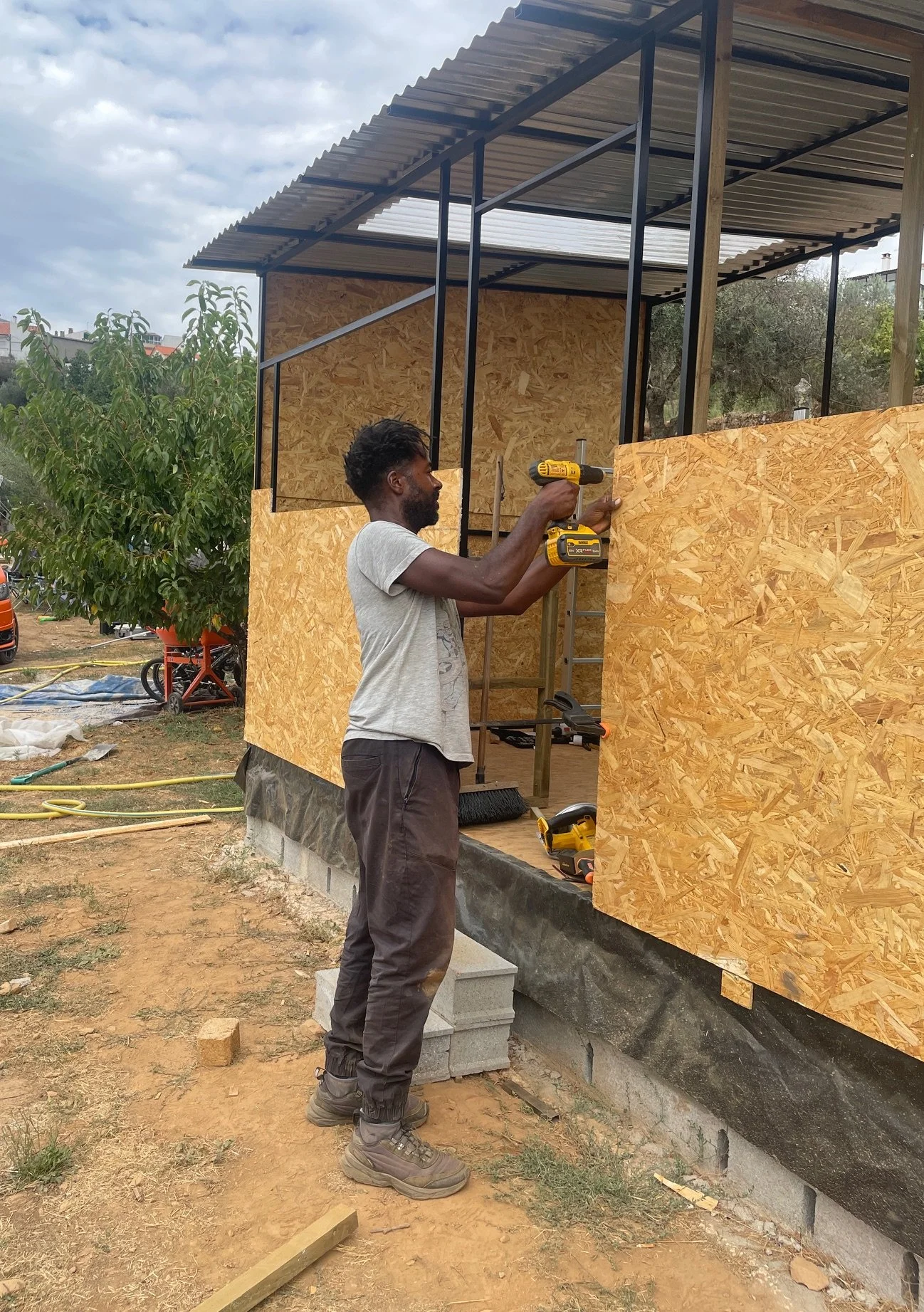
Just one.
Self-sufficiency begins by replacing a single modern convenience with a skill you can rely on instead.
That might mean cooking over a fire, preserving food, collecting rainwater, sewing and repairing clothes, or learning to make something from scratch. Each skill reduces dependence on systems you don’t control and replaces it with confidence and resilience.
These skills don’t just benefit you — they’re valuable to others too. What you learn can be shared, traded, or used to support your community.
Start small. Choose one convenience. Learn just one skill this year. Let it grow from there.
A Way Forward
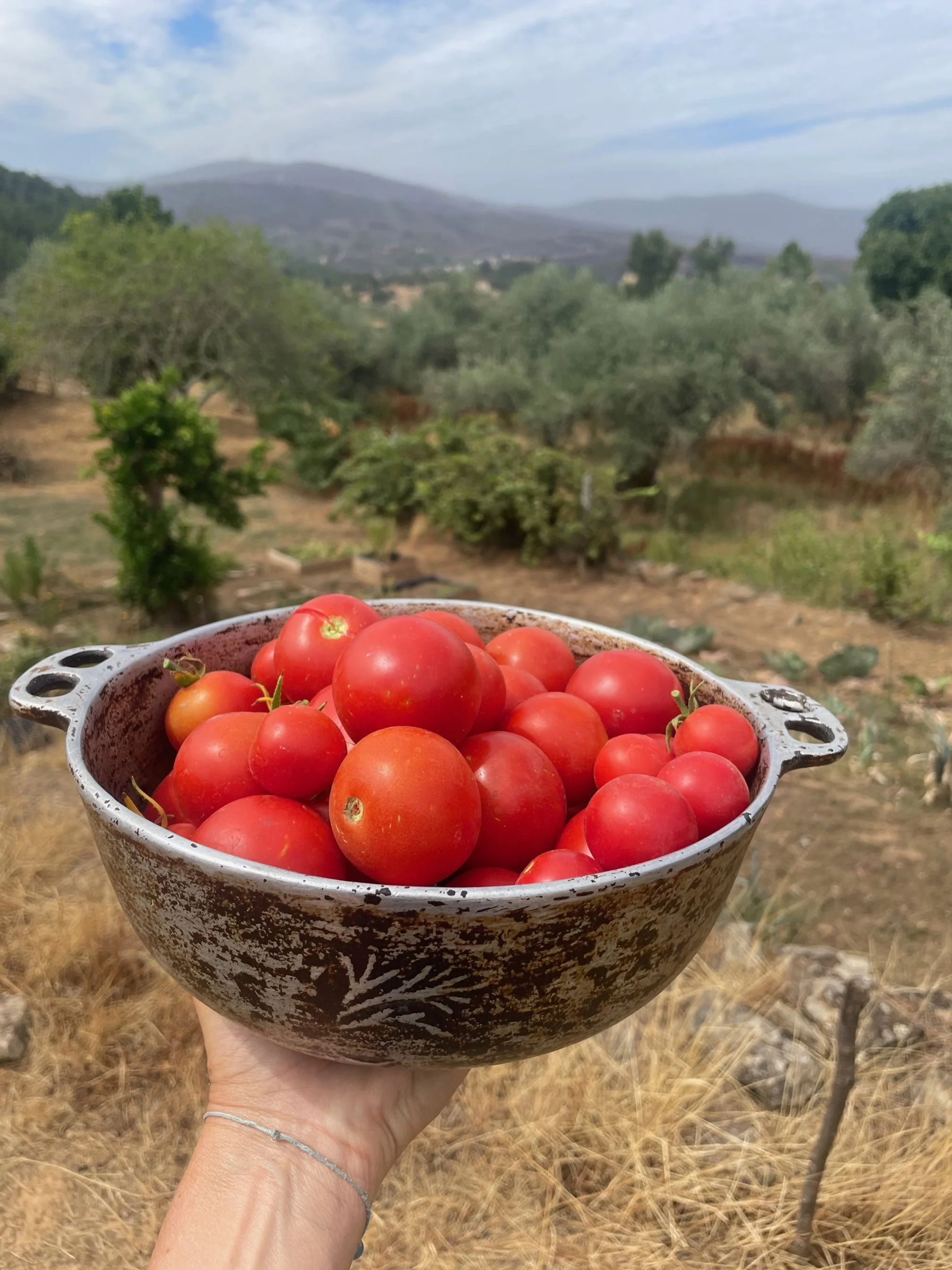
2026 doesn’t need grand gestures or total independence. But the culmination of small, rooted actions, repeated with care, can make a huge difference.
If by the end of 2026 you’ve grown just one thing, learned one plant, or picked up one new skill, you are already living differently than you were in 2025. You will have depended on the system for one thing less — and that matters.