
Our Top 6 Tips for Buying Land to Live Off-Grid
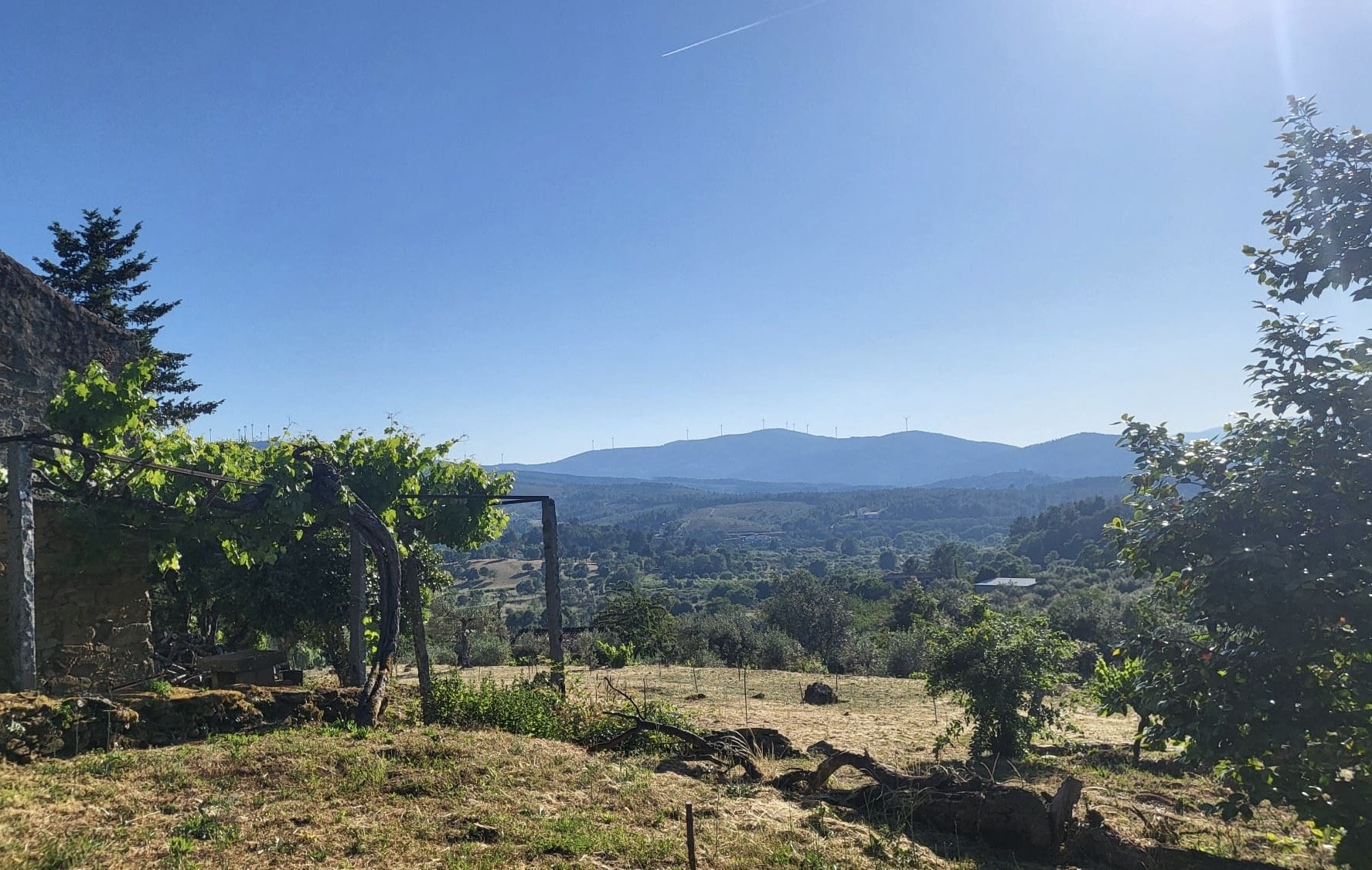
Thinking about buying land to live off-grid?
Here are our top six essential things to consider before you begin your search.
1. Water — this is everything
Water is the deciding factor. The average person in a conventional home uses up to 150 L per day — drinking, showering, washing vegetables, laundry, dishes…the list goes on. Clean, reliable water access should be one of the first things you check when assessing any piece of land.
One of the reasons we fell in love with our Quinta was the sheer abundance of water here. We’re lucky to have a year-round flowing water mine on the land, feeding a public spring with fresh mountain drinking water. From there, it supplies two irrigation tanks and a gravity-fed system that runs across the terraces — more than enough for our day-to-day needs.
Ask yourself:
Will a well sustain you year-round?
Is there access to a perennial river or stream?
Could you install a borehole or collect enough rainwater?
Find your answers before even driving out to view a property — it saves time and heartbreak.
2. How water flows across the land when it rains
Beyond having water, it’s just as important to understand how water moves across the land in wet weather.
Viewing properties during the rainy season in 2023 — although very soggy — was incredibly helpful. It reminded us to pay attention to how rain channels through mountainous regions like Central Portugal. Water flow affects where (and whether) you can build, how stable the soil is, and whether areas become waterlogged, boggy, or flood-prone.
Understanding drainage and runoff early on can save you from costly mistakes later.
3. Orientation of the land
Orientation was a huge factor for us when land hunting. Maximising sun exposure helps with solar power, extends your growing season, and simply makes winter more enjoyable.
Observe how sunlight hits the site through the seasons — slopes, tree cover, and shade from neighbouring properties all make a difference.
Our plot is south-facing, which allows us to grow citrus trees and vegetables that many of our nearby neighbours can’t.
4. Access to the land
We initially compromised on access — and it caused more headaches than we expected. Deliveries, visitors, and even getting our own vehicles in and out during the wet season became tricky. We knew about the issue beforehand and budgeted to fix the track and driveway, but it’s a cost many people underestimate.
Good access isn’t a luxury; it’s essential. Don’t treat it as an afterthought.
5. Is the land safe to inhabit?
It sounds obvious, but safety is a major factor — especially in countries with extreme weather, like Portugal.
Wildfires are a huge part of Portuguese summers, and being surrounded by dense forest can make you extremely vulnerable. On the opposite end of the spectrum, strong winds and gales can damage or even collapse structures — we saw the havoc Storm Claudia left behind this autumn.
Also consider:
Is the area prone to landslides?
Could flash floods impact the land?
Are there signs of soil erosion, subsidence, or even sinkholes?
In very remote locations, the absence of nearby neighbours can sometimes be a warning sign — there may be a good reason others haven’t settled there.
6. Be prepared for bureaucracy
Finally, no matter where you buy, you can’t simply purchase land and do whatever you want with it. Every country — and often each region — has its own planning rules, building regulations, and land-use restrictions.
We spent a couple of years researching in the UK before deciding to move abroad. There’s still bureaucracy here in Portugal, but for us it felt less restrictive than what we faced in the UK. There’s lots of information online (YouTube, Facebook groups, local planning authority sites), but always do your due diligence before you invest.
Buying land to live off-grid is exciting, but it’s also a big and often costly project. Look closely at water, sun, access, community, safety, and legalities — and you’ll give yourself the best possible chance of setting up a secure and sustainable off-grid life.