
5 Ways to Prepare for Living Off-Grid
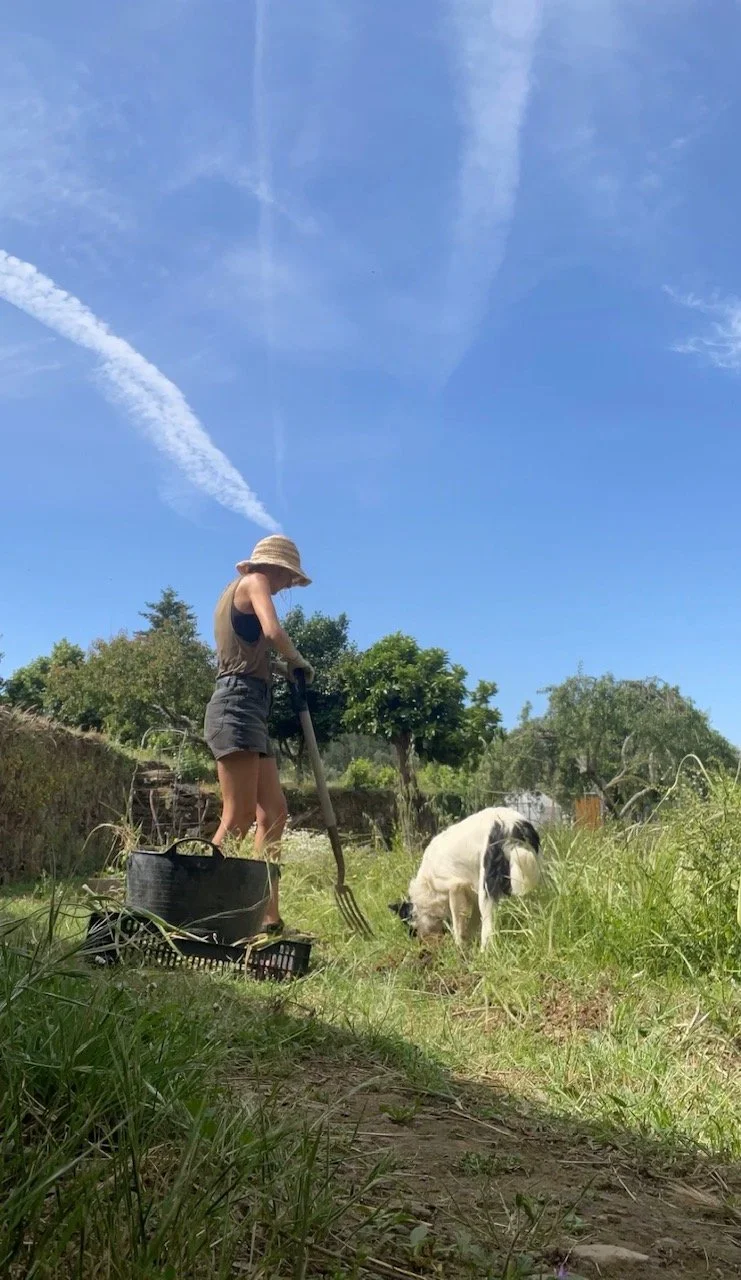
Dreaming of a delving into off-grid life? Perhaps you’re imagining your own piece of land, growing your own food, generating your own power and stepping away from some of the demands of modern life.
Living off-grid can be incredibly rewarding, but it also comes with a lot to learn. One of the biggest things we discovered was that you don’t have to wait until you’re living off-grid to start preparing for it.
In fact, there are plenty of things you can do now to start building your knowledge, skills and confidence.
Here are five ways we recommend preparing for an off-grid life.
1. Learn from people who have already done it
One of the best things you can do is learn from people who are already walking the path you’re considering.
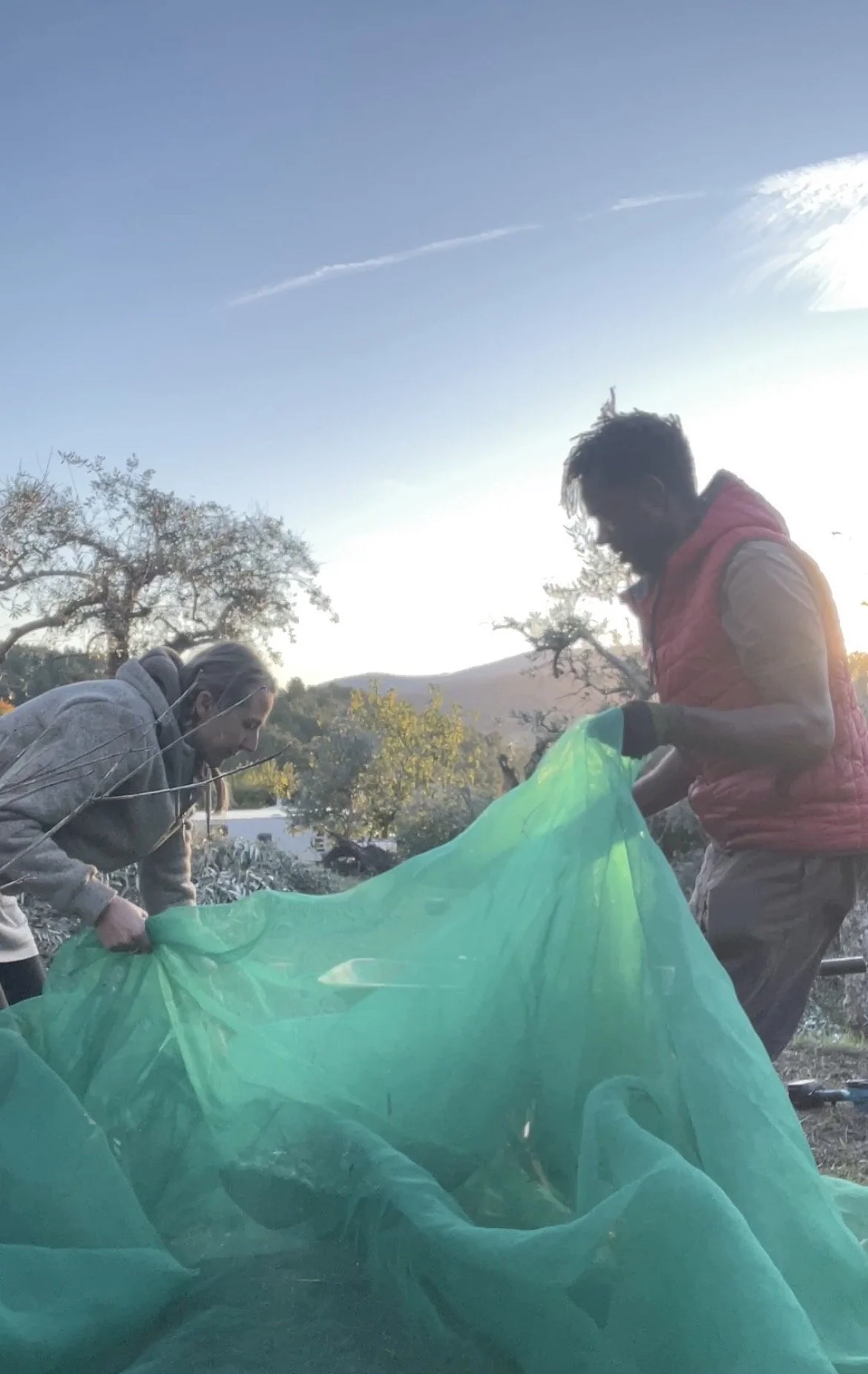
As well as searching for our own land, we spent a whole 4 years learning, researching and connecting with other people living off-grid. We joined Facebook groups, visited places and talked to people about their experiences — including the things that had worked for them and, just as importantly, the things that hadn’t!
There is so much practical knowledge within the off-grid community. People have already figured out solutions to many of the challenges you may eventually face.
So start connecting.
Join online groups. Follow people who share their off-grid experiences. Visit off-grid projects if you can. Ask questions. Listen to the realities, not just the romantic version of off-grid living.
You’ll quickly discover that there is no single way to live off-grid — and that’s part of what makes it so exciting.
2. Start researching where and how you could live off-grid
Once you start exploring off-grid living, it’s worth thinking about what type of off-grid life actually appeals to you.
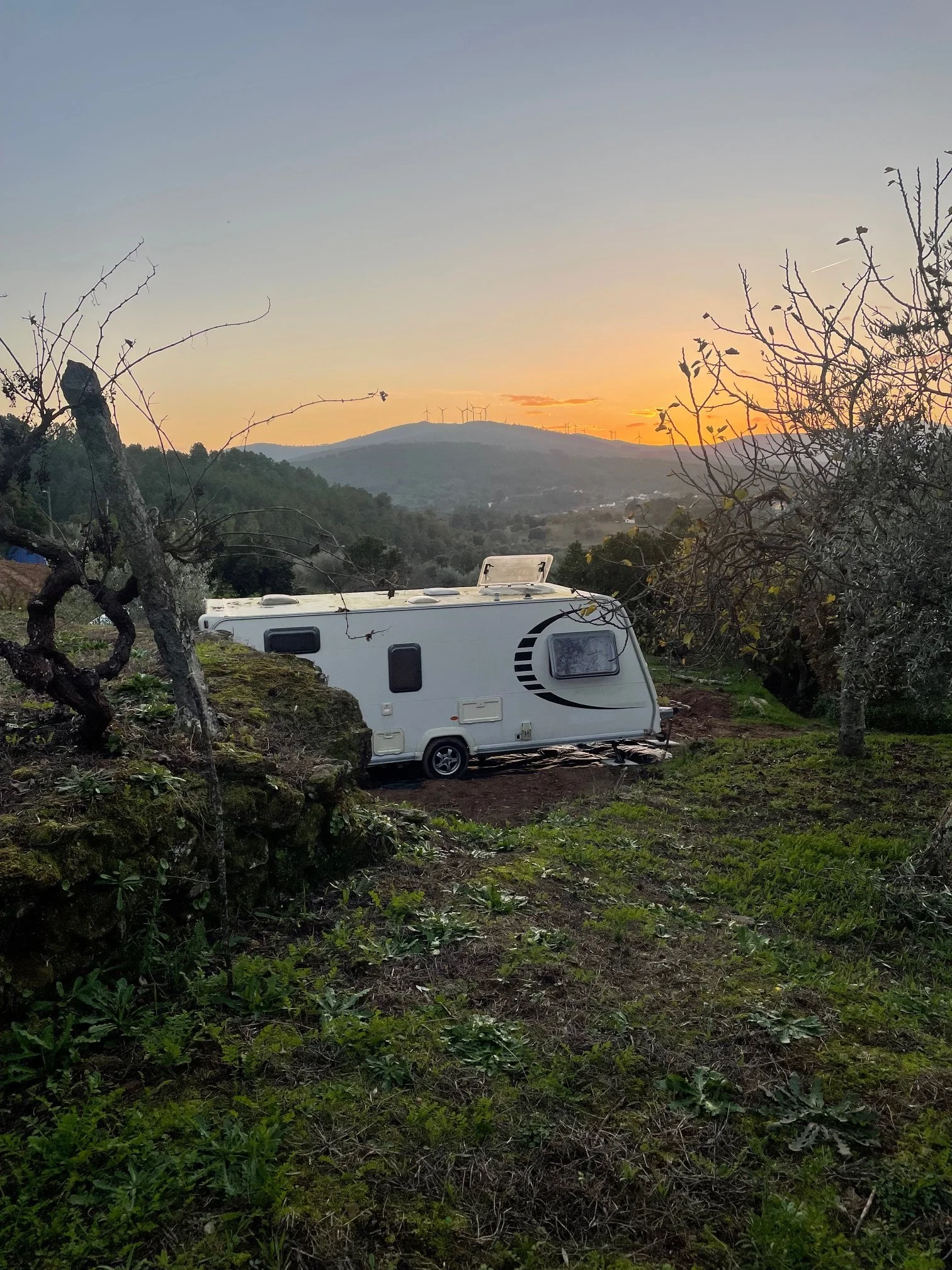
Perhaps your dream is to buy your own piece of land and create a permanent home.
If that’s the case, there are some really important things to consider before you even arrange a viewing. Water availability, land orientation, access, planning considerations, soil, exposure and many other factors can make a huge difference to whether a piece of land will work for the life you have in mind.
This is something we talk about in more detail in our blog here. We also offer one-to-one sessions for anyone considering buying land to live off-grid but looking for clarity on where to begin. Just drop us a direct message to find out more!
But owning land isn’t the only option.
You might discover that community living suits you better. Perhaps a more nomadic off-grid lifestyle appeals to you. Or maybe renting or managing a piece of land belonging to someone else could give you the freedom you’re looking for without the commitment of buying.
There is no right or wrong version of off-grid living.
Start exploring the possibilities and, rather than asking “How do I live off-grid?”, perhaps ask yourself:
“What does off-grid living actually look like for me?”
3. Volunteer and gain practical experience
There’s no substitute to gaining hands-on experience!
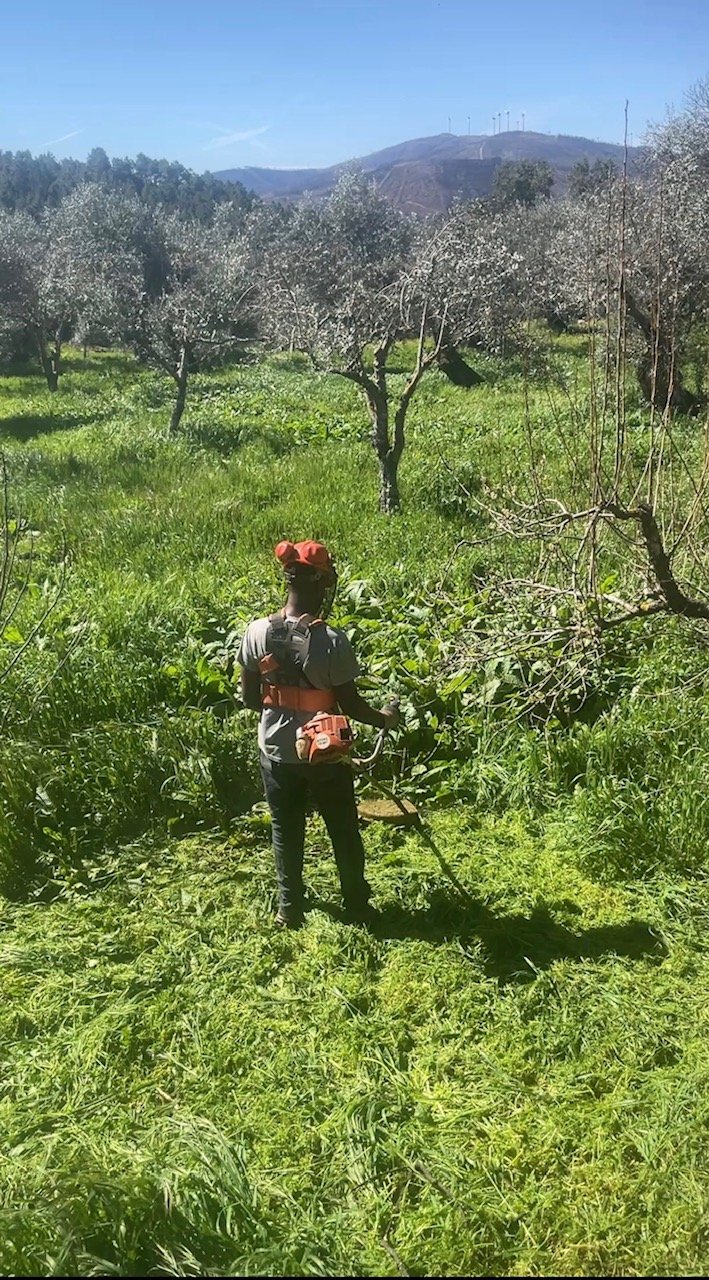
If you’re serious about living off-grid, volunteering can be an amazing way to gain practical experience before making the leap yourself.
We spent 6 months in 2024 volunteering on an off-grid farm in the Midlands and had the time of our lives!
We now offer volunteering opportunities on our off-grid Quinta. You can find out more here.
Also look for opportunities on smallholdings, farms, eco-projects, community gardens or existing off-grid properties.
You might learn how to build, grow food, work with animals, chop and store firewood, manage water systems, maintain solar equipment or simply experience what day-to-day life away from the grid is really like.
And you’ll learn something else that is just as valuable:
what you actually enjoy doing.
It’s easy to imagine that you’ll love every aspect of off-grid living when you’re sitting comfortably at home dreaming about it. Spending time on someone else’s land gives you the opportunity to experience some of the reality before committing your time and money.
4. Start paying attention to your energy consumption
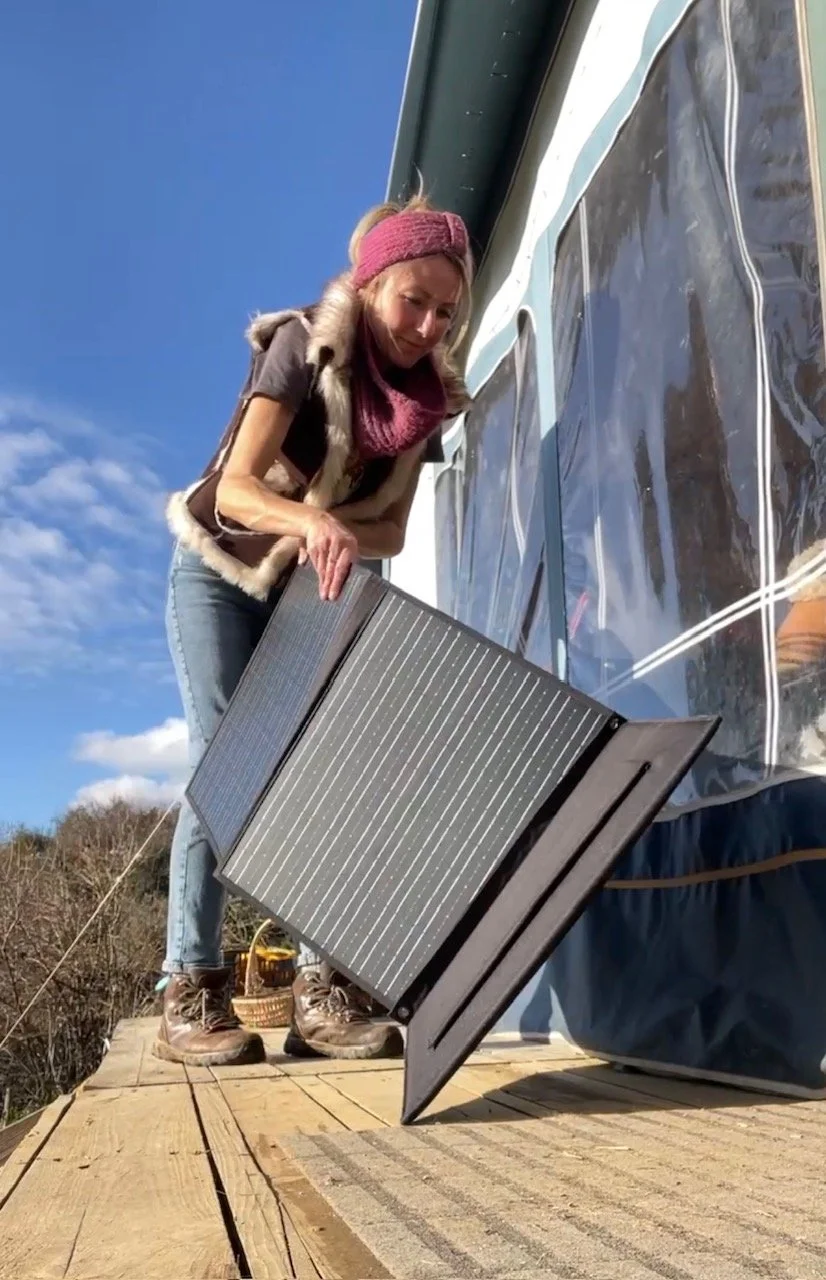
You don’t have to wait until you have solar panels on your roof to start thinking differently about energy.
Begin by becoming more aware of how much electricity and water you currently use at home.
Which appliances are using the most energy? What do you leave running unnecessarily? How much water do you use each day? Are there things you could simply live without?
Try making some small changes.
Turn things off rather than leaving them on standby. Reduce your water consumption. Experiment with doing things differently.
This helps you understand how much energy you actually need to live the life you want.
When you eventually have to generate and manage your own power, this awareness becomes incredibly valuable.
5. Start making a list — and costing it!
This one is particularly important.
It’s very easy to fall in love with the idea of off-grid living without fully appreciating how many different systems and pieces of equipment can be involved.
Start making a list, and then start pricing things.
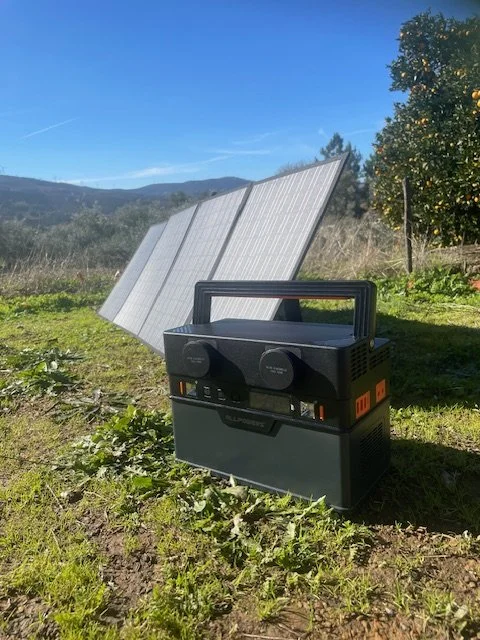
Solar panels. Batteries and power banks. Generators. Water storage. Water filtration. Composting toilets. Gas bottles. Wood-burning stoves. Firewood. Tools. Building materials. Cooking equipment.
And that’s just the beginning!
You don’t need to buy everything now. In fact, please don’t rush out and start filling your garage with equipment just because you’ve decided you’re going off-grid.
Instead, start researching and understanding what you’ll need.
Keep notes on different systems and prices. Talk to people who are already using them. Find out what works in different climates and situations.
Most importantly, start building a realistic picture of what your particular version of off-grid living might cost.
Start preparing before you make the leap
One of the biggest lessons we’ve learned is that preparing for an off-grid life isn’t something that starts when you buy the land.
It starts long before that.
It’s in the conversations you have with people already doing it, the land research, the skills you learn.
It’s in becoming conscious of your energy and water use, and understanding the costs and practicalities before you make a major commitment.
You don’t need to know everything and don’t need to have the perfect plan.
But the more you understand about off-grid living before you make the leap, the more prepared you’ll be to create a life that works for YOU!